
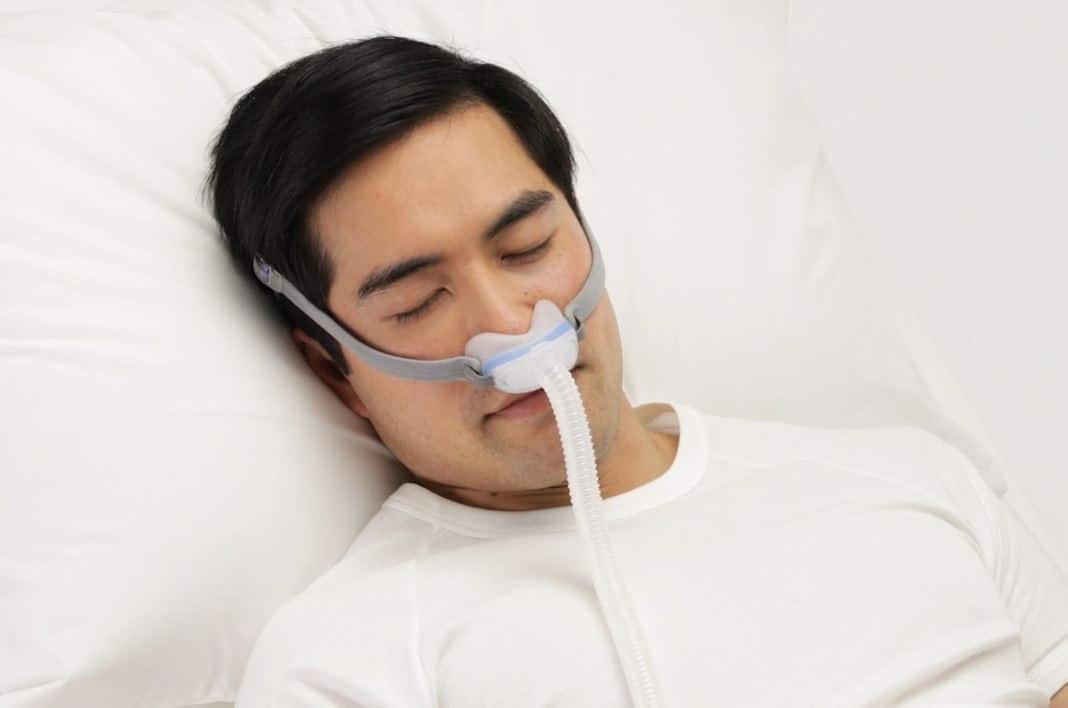
You’re using your CPAP every night like you’re supposed to. But instead of waking up refreshed, you feel worse—tired, bloated, or frustrated by air leaks and discomfort. You’re starting to wonder if CPAP is even worth the struggle.
Here’s the truth: most CPAP problems have fixable causes. With the right troubleshooting and support, you can overcome these issues and finally experience the benefits you were promised.
Common CPAP Problems and How to Fix Them
Mask Leaks
Air escaping from your mask is one of the most common complaints. You might feel air blowing into your eyes, hear hissing sounds, or wake up with dry skin.
What causes it: Poor fit, worn-out cushions, overtightened straps, or shifting during sleep—especially if you move positions frequently.
How to fix it:
- Adjust the mask while your CPAP is running at full pressure so you can feel where leaks occur
- Keep straps snug but not tight (overtightening actually causes more leaks)
- Lift and re-seat the mask to help the cushion find a natural seal
- Try a different size or style if leaks persist, especially if you’re a side sleeper or have facial hair
Dry Mouth or Throat
Waking up with a parched mouth, sore throat, or extreme thirst usually means you’re breathing through your mouth during sleep.
How to fix it:
- Turn on your machine’s heated humidifier and increase the humidity level
- Add a chin strap to help keep your mouth closed
- Switch to a full-face mask if mouth breathing continues
Difficulty Exhaling
Some people feel like they’re struggling to breathe out against the incoming pressure, which can make falling asleep nearly impossible.
How to fix it:
- Activate the ramp feature, which starts pressure low and gradually increases as you fall asleep
- Enable exhalation relief (EPR or C-Flex) to reduce pressure slightly when you breathe out
- Talk to your doctor about trying an auto-adjusting CPAP or BiPAP machine if these features don’t help
Swallowing Air and Bloating
Waking up with a bloated stomach, gas, or frequent burping may be caused by swallowing air during CPAP use. This often happens when pressure is too high or your mouth opens unconsciously.
How to fix it:
- Switch to a nasal-only mask to reduce airflow into the mouth
- Use a chin strap to keep your mouth closed
- Ask your provider to review pressure settings or try an auto-adjusting machine that uses the minimum necessary pressure
Trouble Falling Asleep
Feeling anxious or restless with the mask on is common in the beginning. The sensation, airflow, or sound can all feel unfamiliar and distracting.
How to fix it:
- Wear the mask for short periods while awake—while reading or watching TV—to get used to the feel
- Build a consistent bedtime routine with calming activities
- Consider switching to a smaller mask like nasal pillows if the mask feels claustrophobic
Machine or Mask Noise
Modern CPAP machines are usually quiet, but occasional sounds from the machine or mask can be disruptive—especially with leaks or dirty filters.
How to fix it:
- Check for leaks and secure all hose and mask connections
- Clean or replace the air filter as recommended
- Place the machine on a lower shelf or farther from the bed, or use background noise to mask any remaining sounds
When to Call Your Provider
Some problems need professional adjustments. Reach out to your equipment supplier or sleep specialist if:
- Your CPAP data shows you’re still snoring, feeling tired, or waking frequently
- You need a new mask size or style
- Settings need adjustment
- You’re considering switching to an auto-adjusting or bi-level machine
At Whitney Sleep Center, we help patients troubleshoot CPAP issues and make the necessary adjustments to ensure therapy actually works. Don’t wait too long—small tweaks early on can prevent bigger frustrations later.
It’s Not a Sign of Failure
Almost everyone needs time and adjustments to get CPAP right. Discomfort isn’t a reason to quit—it’s feedback that something needs tweaking. Stick with it, ask for help, and keep in mind that most long-term users went through the same adjustment period. With patience and the right support, CPAP can become a natural part of your routine. Reach out for help if you’re struggling—you don’t have to figure it out alone.