
Starting CPAP therapy can feel overwhelming. The machine, the mask, the pressure, the strange sensation of forced air—it’s a lot to get used to. You might be wondering: Is this really going to work for me?
The answer, for most people, is yes—but not without some trial, error, and persistence. Many CPAP users who now sleep comfortably every night once struggled with the same issues you’re facing. They found their way through with small changes, consistent habits, and support.
It’s Not Just You—Most People Struggle at First
Nearly half of all CPAP users don’t use their machines consistently at first, often due to mask discomfort, claustrophobia, dry mouth, or poor sleep quality. Some wake up with the mask off. Others can’t get used to breathing against pressure. These challenges don’t make you a failure—they make you part of a large group seeking a better fit.
The key is understanding that CPAP success doesn’t happen all at once. Most people hit a turning point when they stop trying to tolerate discomfort and instead start customizing the therapy to their needs.
What CPAP Success Really Looks Like
For some, the breakthrough came when they found the right mask—one that fit their face comfortably and didn’t leak. For others, using a CPAP pillow with cut-outs made side sleeping easier without breaking the seal.
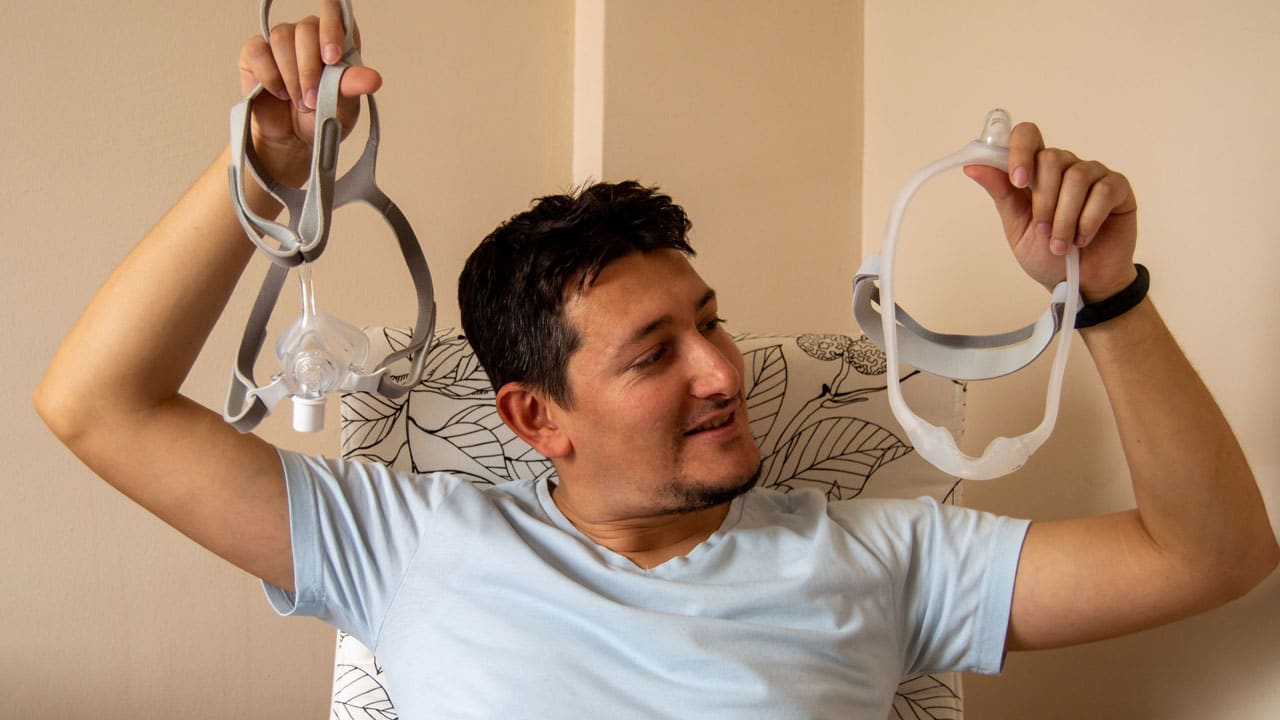
A few realized that adjusting the humidifier setting stopped the dryness that was keeping them awake. Others succeeded after switching from a full-face mask to lightweight nasal pillows to reduce claustrophobia or pressure points.
Many users report that things improved dramatically within two to four weeks—not because the therapy got easier overnight, but because they stuck with it long enough to get comfortable and see the difference.
Habits That Help CPAP Become Routine
Success with CPAP often comes down to building new habits. Here are the most common ones that long-term users say made the biggest difference:
Use CPAP every time you sleep. Even short naps count. Skipping nights or partial use resets your progress and can delay adjustment. Aim for full-night use, every night. Consistency helps your body and brain get used to the new rhythm.
Be patient with the learning curve. Many users feel tired or frustrated during the first week or two. This is normal. It takes time for your sleep patterns to improve, even if your breathing is corrected immediately. Small wins add up—like keeping the mask on a little longer each night.
Set up a bedtime routine. Doing the same steps each night—washing your face, filling the humidifier, putting on the mask—can make CPAP feel like a normal part of winding down. Some people also use calming techniques like deep breathing or background music to ease the transition to sleep.
Use your CPAP’s comfort features. Features like the ramp setting (which starts pressure low and increases gradually) and exhalation relief (which reduces pressure when you breathe out) are designed to improve comfort. Take advantage of them.
Keep your equipment clean. Daily wiping of your mask cushion and weekly washing of your tubing, mask, and humidifier chamber make the entire experience more pleasant. Clean gear also prevents skin irritation and helps maintain a good mask seal.
Don’t settle for discomfort. If your mask leaks, hurts, or causes marks, that’s not something you have to “get used to.” Ask for help. Most users find success only after trying different masks, sizes, or cushion types. The right fit can change everything.
Real-World Patterns from CPAP Users
While we can’t share specific patient testimonials, patterns from hundreds of users reveal common breakthroughs:
- One user struggled with dry mouth and nearly quit until switching to a full-face mask with heated humidification. The difference was transformative.
- Another couldn’t keep the mask on through the night and kept waking up tangled in the hose. Adding a hose stand and switching to nasal pillows helped them sleep through the night for the first time in years.
- A side sleeper found their mask constantly leaking until they discovered CPAP pillows with mask cut-outs. The change made it possible to stay on their side comfortably without breaking the seal.
- Several users reported that claustrophobia faded once they tried smaller, minimal-contact masks and practiced wearing them while awake until they felt natural.
These aren’t rare success stories. They reflect what’s possible for the majority of users when given the tools and time to adapt.
CPAP Is a Long-Term Investment in Your Health
It’s easy to view CPAP as a burden—a noisy, uncomfortable machine you didn’t ask for. But CPAP treats a serious medical condition that can affect your heart, brain, blood pressure, and overall health. When used correctly, it protects you from the long-term dangers of untreated sleep apnea—including stroke, memory issues, and fatigue-related accidents.
Think of CPAP not as a punishment, but as a prescription for better living. It may take time to adjust, but it’s worth it—not only for better sleep, but for a healthier future.
At Whitney Sleep Center, we support patients through the adjustment period with mask fittings, equipment adjustments, and troubleshooting. We know that comfort and consistency are essential for long-term success—and we’re here to help you find what works.
Key Reminders for Success
- Feeling frustrated in the beginning is normal
- Most users improve with small, consistent changes
- The right mask, pressure setting, or accessory can be a game changer
- Clean, well-maintained equipment feels and works better
- Long-term use reduces serious health risks and improves daily energy and focus
- You’re not alone—support is available, and you can succeed